
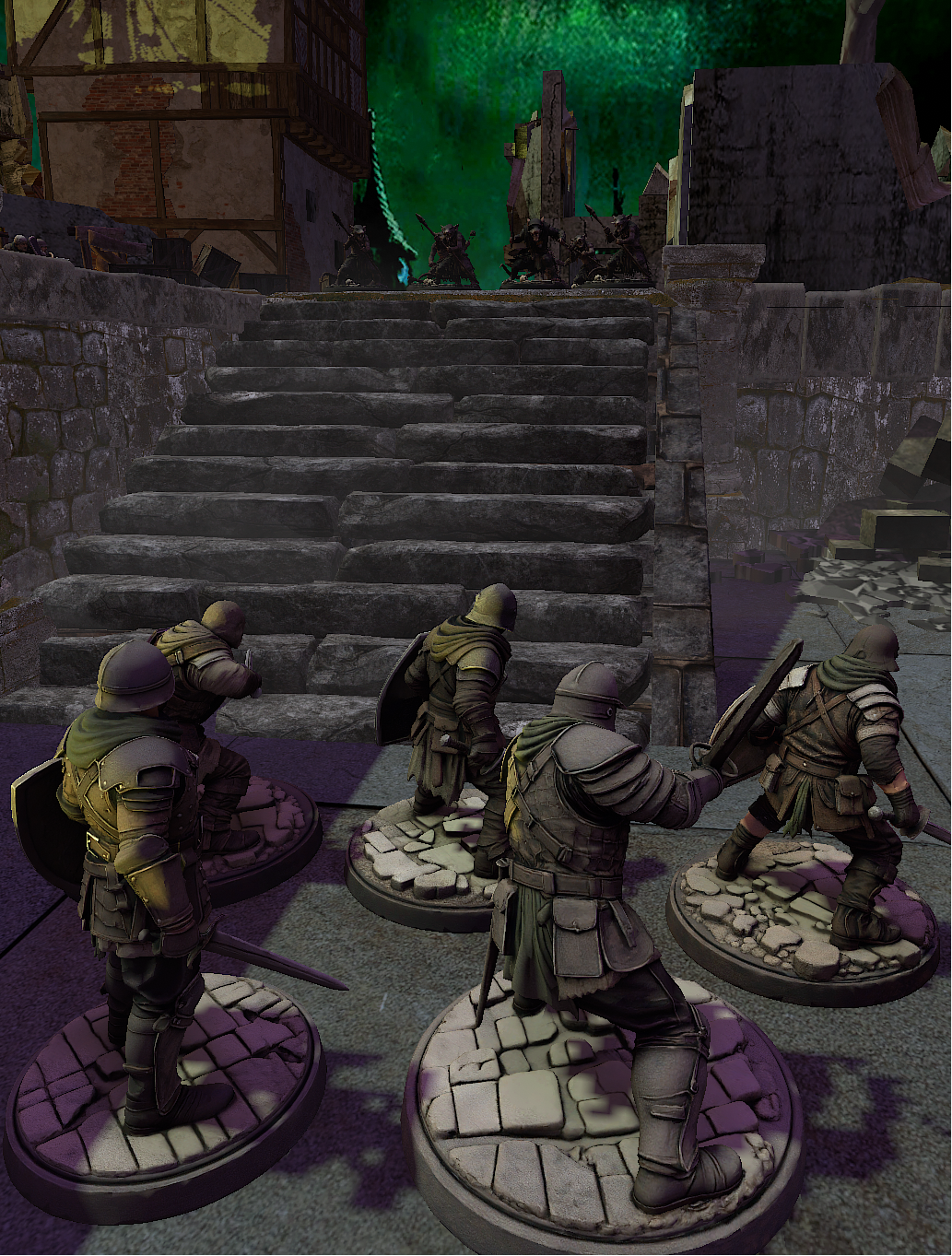
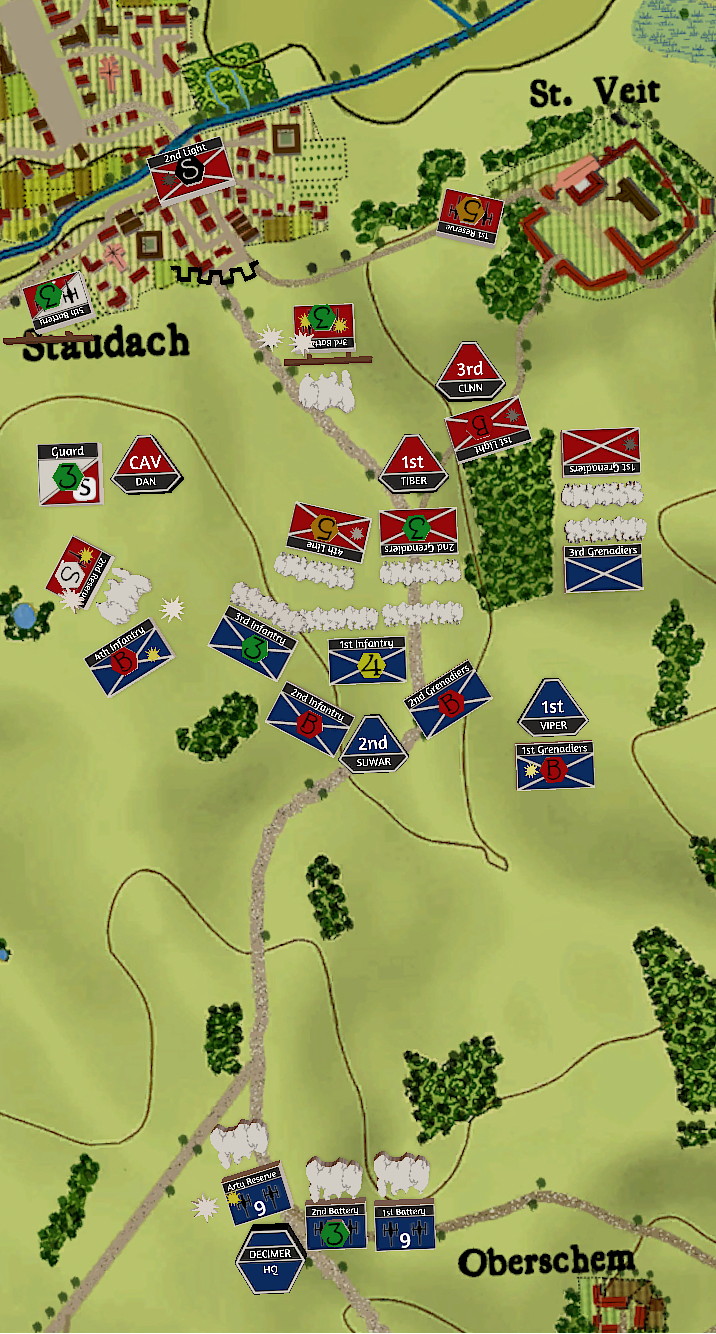
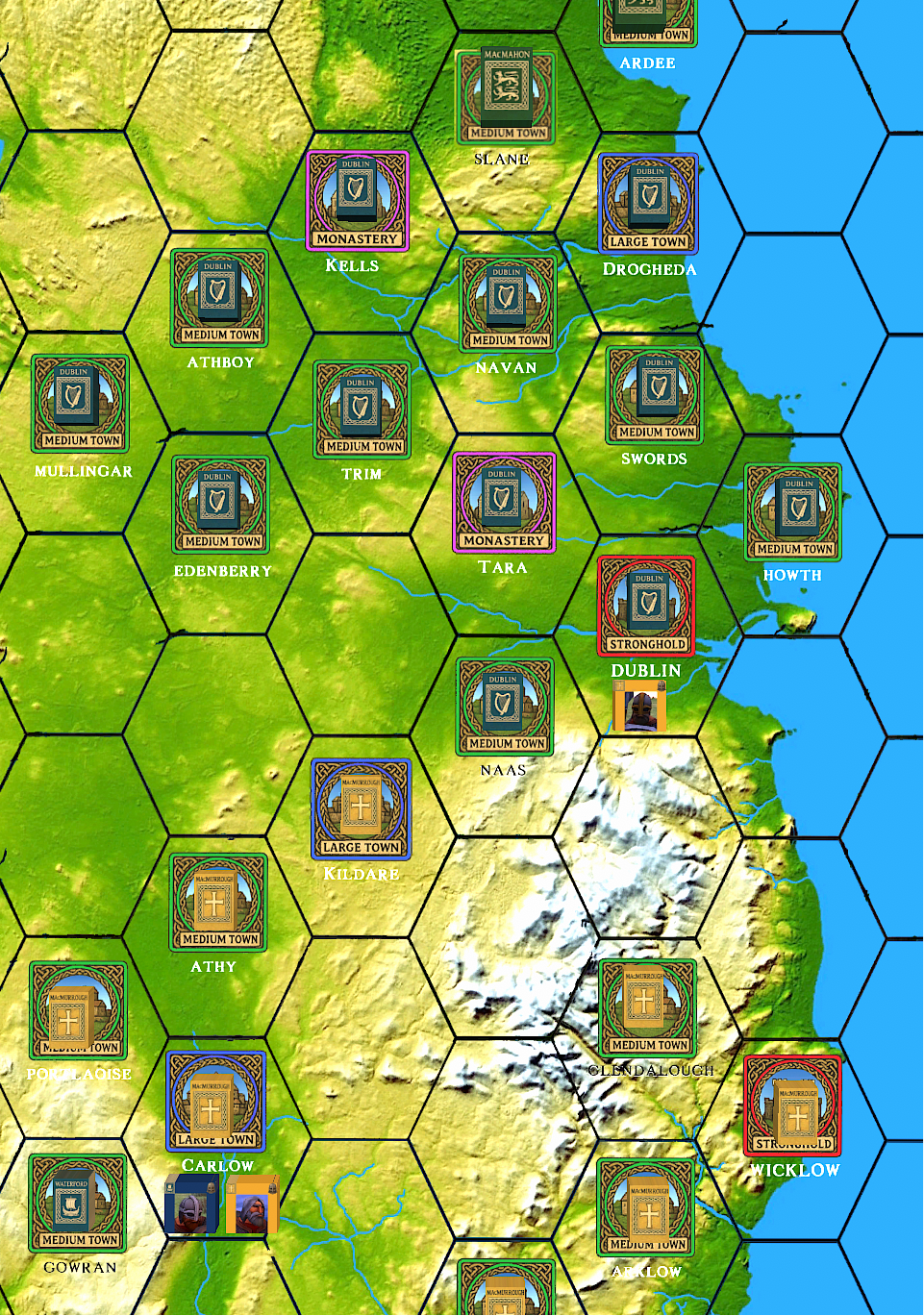
What is Kriegsspiel?
Kriegsspiel began as a 19th-century Prussian wargame developed by Georg Leopold von Reisswitz and refined by his son, Georg von Reisswitz the Younger, whose 1824 version became a serious training tool for Prussian officers. It was later championed by Helmuth von Moltke, who recognised its value in developing judgement, command and decision-making. Re-emerging among civilian and professional wargamers through figures such as Paddy Griffith and Jim Wallman, it is now modernised for the digital age. Its core concepts — human umpire-driven play, fog of war, written orders, imperfect information and consequence-based decision-making — mean it can be adapted to almost any conflict or crisis scenario. Players issue orders, receive reports and make decisions without seeing the whole picture, creating a tense, immersive experience where timing, communication and judgement matter as much as tactics.
How online events work
Kriegsspiel Studio runs online events in two main formats: live sessions and play-by-post games. Both formats use Discord for communication, orders, reports and coordination, with Tabletop Simulator used where a shared map, battlefield or game space is useful. Live sessions happen in real time, while play-by-post games unfold more slowly through written orders and updates, allowing players to take part around their own schedule. Clear joining instructions are provided before each event, so players know where to be, what to prepare and how the session will run.
What does Kriegsspiel Studio provide?
Kriegsspiel Studio designs and runs immersive command games for online groups, clubs, conventions and private campaigns. Led by Peter Fryer — Pete the Elder — it offers skirmishes, battles and campaigns across historic, fantasy and sci-fi settings, using a modern free Kriegsspiel approach: flexible, umpire-led and shaped around the decisions of the players.
Whether you want to join a scheduled event or commission something entirely your own, there are three ways to take command:
- Browse events on StartPlaying — find and book upcoming sessions directly through the StartPlaying platform.
- Join via Patreon — supporters get access to games through the Patreon page, often with early or exclusive availability.
- Get in touch by email — to discuss a bespoke event tailored to your group, club or occasion.
How does it work?
Each event begins with a briefing: what the players could reasonably know, though some of it may be incomplete, uncertain or wrong. The game then unfolds in turns, each covering a variable amount of in-game time. In each turn, the umpire reports what the players can perceive, the players issue their orders, and the umpire resolves those orders before the next report. This creates a cycle of information, decision and consequence, where players must act without seeing the whole picture.
Beyond the Game
Kriegsspiel is not only about winning a battle. It asks players to communicate clearly, make decisions with incomplete information, manage uncertainty, delegate responsibility and adapt when events change. This makes it a powerful experience for players, teams and groups interested in leadership, crisis thinking and decision-making under pressure.
Who is Pete the Elder?
Pete the Elder is the gaming name of Peter Fryer, founder of Kriegsspiel Studio. Peter grew up in Berkshire, west of London, UK, where his wargaming life began in the early 1980s by pushing opposing forces of plastic soldiers across his parents' back garden and taking turns to knock them down with marbles. Moving into his teenage years, he discovered Games Workshop's Warhammer and Warhammer 40,000, before discovering historical wargaming, Dungeons & Dragons and the creative possibilities that open up when strategy, roleplay and storytelling meet. In the early 2000s, Peter was invited to RAF Duxford to take part in a grand Kriegsspiel based on Operation Sealion, Germany's planned invasion of Britain during the Second World War. He later joined the Little Gaddesden Kriegsspiel Society based in north London, where he was introduced to Marshall Neal, a fellow Kriegsspiel enthusiast living in Southern California. Together with others, they helped develop a modern online Kriegsspiel system that kept the hobby alive and connected during the Covid period, eventually helping to found the International Kriegsspiel Society. Today, Peter brings all of that experience — from marbles in his parents' garden to grand strategy online — to Kriegsspiel Studio.
Gameplay Example — Skirmish: Blood on the Quayside
The images below come from Captain Markham's gameplay during a Kriegsspiel Studio scenario set around a contested quayside. They show what the player commanding Markham could see as the situation unfolded.
1. Arrival at the Ruined City
Markham arrives by ship outside the walls of the ruined city and sends scouts ahead through a collapsed section of the wall.
2. The Company Boards
Markham orders the rest of his company into the ship's small boats, choosing to approach the city from the water.
3. Towards the Bridge
The boats make their way towards the river bridge opening, carrying Markham's men into uncertain territory.
4. First Sight of the Quayside
Passing beneath the bridge, the boats enter the ruined city's inner harbour, giving Markham and his men their first view of the quayside.
5. Landing at the Old Pier
Markham disembarks at the old pier, bringing his men ashore beside the ruined quayside.
6. Onto the Quayside
Markham climbs the pier steps and moves onto the quayside, where the next decisions must be made.
Ready to take command?
If you enjoy tense decisions, imperfect information, battlefield confusion, roleplay through orders and reports, and stories that grow from what players actually do, Kriegsspiel Studio may be for you. Join through Patreon, find Pete the Elder on StartPlaying or get in touch to ask about upcoming skirmishes, battles and campaign places.